University of Birmingham research published today has shown a new low-temperature method for producing hydrogen that is suitable for both centralized...

Vous n'êtes pas connecté
- English
- Français
- عربي
- Español
- Deutsch
- Português
- русский язык
- Català
- Italiano
- Nederlands, Vlaams
- Norsk
- فارسی
- বাংলা
- اردو
- Azərbaycan dili
- Bahasa Indonesia
- Հայերեն
- Ελληνικά
- Bosanski jezik
- українська мова
- Íslenska
- Türkmen, Түркмен
- Türkçe
- Shqip
- Eesti keel
- magyar
- Қазақ тілі
- Kalaallisut ; kalaallit oqaasii
- Lietuvių kalba
- Latviešu valoda
- македонски јазик
- Монгол
- Bahasa Melayu ; بهاس ملايو
- ဗမာစာ
- Slovenščina
- тоҷикӣ ; toğikī ; تاجیکی
- ไทย
- O'zbek ; Ўзбек ; أۇزبېك
- Tiếng Việt
- ភាសាខ្មែរ
- རྫོང་ཁ
- Soomaaliga ; af Soomaali
 Maroc - KNOWRIDGE.COM - A La Une - 14/May 00:22
Scientists create powerful water-splitting catalyst for clean hydrogen fuel
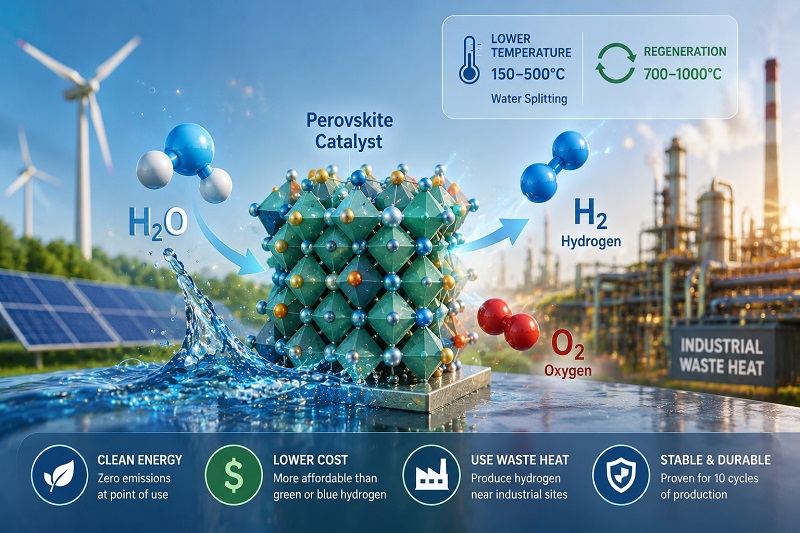
Researchers at University of Birmingham have developed a new method for producing hydrogen that works at much lower temperatures than current technologies. The breakthrough could make clean hydrogen cheaper to produce and allow factories to generate hydrogen using waste heat that would otherwise be lost. The study, published in the International Journal of Hydrogen Energy, […] The post Scientists create powerful water-splitting catalyst for clean hydrogen fuel appeared first on Knowridge Science Report.
Articles similaires
Water-splitting catalyst unlocks cheaper hydrogen at significantly lower temperatures
techxplore.com - 05/May 23:10
University of Birmingham research published today has shown a new low-temperature method for producing hydrogen that is suitable for both centralized...
New Method Turns Plastic Trash Into Clean Hydrogen Fuel
greekreporter.com - 06/May 20:25
Researchers at the University of Cambridge have developed a process that converts plastic trash into clean hydrogen fuel using sunlight, tackling two...
New Method Turns Plastic Trash Into Clean Hydrogen Fuel
wn.com - 07/May 22:06
A stand full of plastic bottles to raise awarness on plastic recycling. Credit: European Union 2012 – European Parliament / Flickr / CC BY-NC-ND...
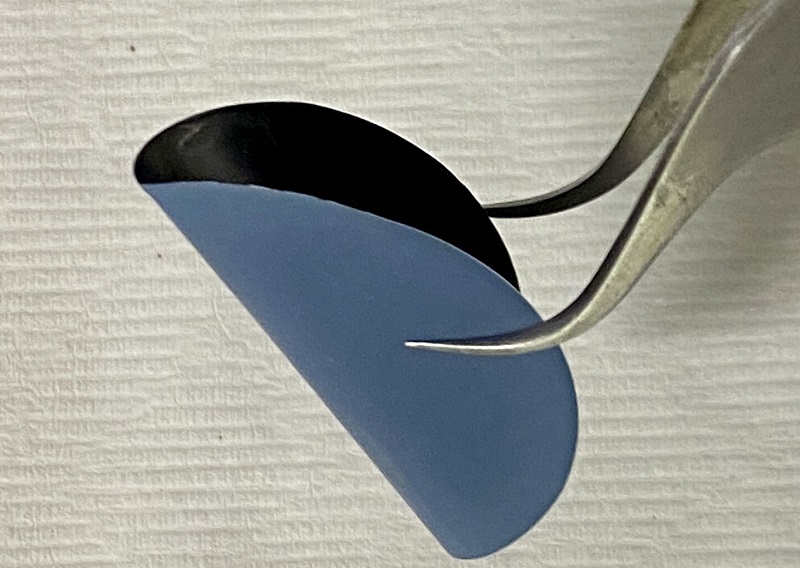
New ultra-thin membrane could supercharge the future of hydrogen fuel cells
knowridge.com - 00:47
Engineers have developed a new ultra-thin membrane that could make hydrogen fuel cells far more efficient, especially at high temperatures where...
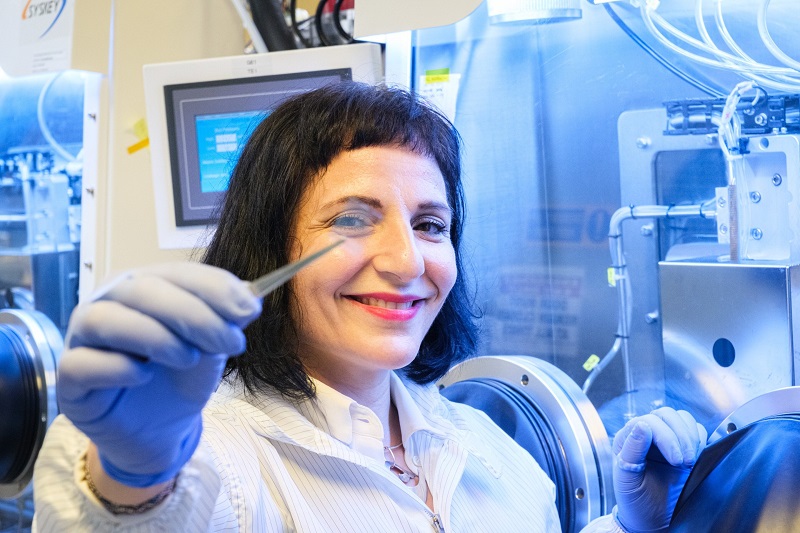
Scientists create nearly invisible solar cells that could turn windows into power sources
knowridge.com - 16/May 11:56
Scientists in Singapore have developed a new type of ultrathin solar cell that is almost invisible and could one day turn windows, car sunroofs, and...
Ultra-thin membrane enables high-efficiency hydrogen fuel cells for transport and industry
techxplore.com - 15/May 18:00
Engineers have developed a new ultra-thin membrane that allows fuel cells to operate more efficiently at high temperatures by enabling proton...

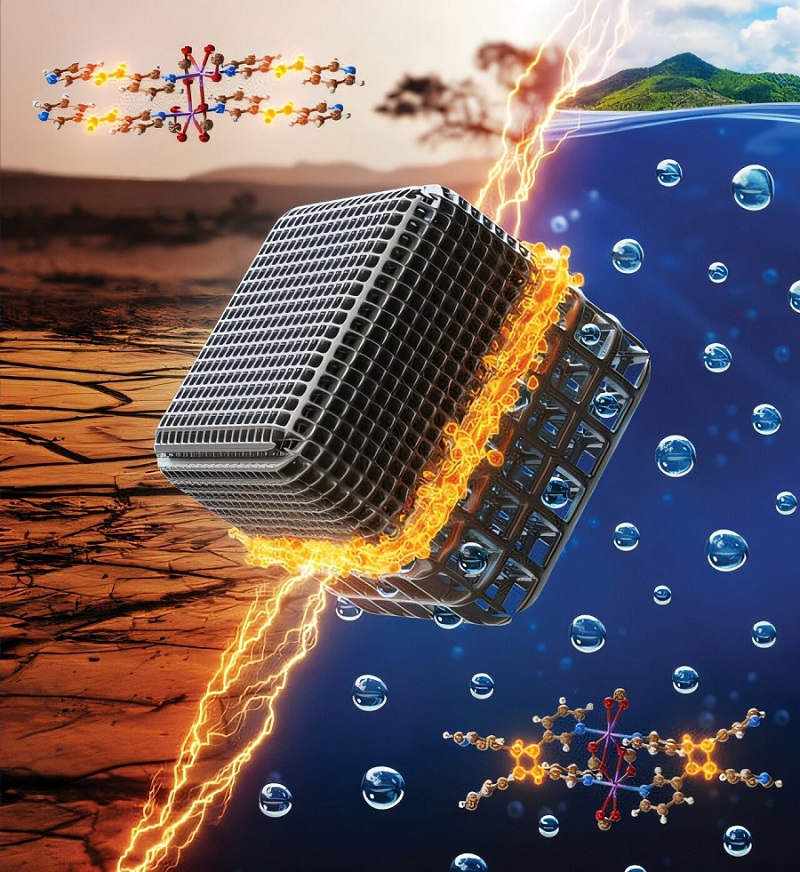
Scientists discover crystal that captures drinking water using only light
knowridge.com - 13/May 11:06
Scientists at the University of Iowa have developed a new material that can capture water directly from the air using only light. The discovery could...

Scientists use old chemistry trick to create future-ready glass
knowridge.com - 08/May 00:37
Glass has been part of human life for thousands of years, from ancient decorations to modern technology like fiber-optic cables. Now, scientists have...
Les derniers communiqués
-
Evergreen Elevate Heads to Australia to Empower MSPs with Valuable Strategies and Insights on Better M&A Practices
Evergreen Elevate - 29/07/2025