Researchers at Stanford have developed a compact optical amplifier...

Vous n'êtes pas connecté
- English
- Français
- عربي
- Español
- Deutsch
- Português
- русский язык
- Català
- Italiano
- Nederlands, Vlaams
- Norsk
- فارسی
- বাংলা
- اردو
- Azərbaycan dili
- Bahasa Indonesia
- Հայերեն
- Ελληνικά
- Bosanski jezik
- українська мова
- Íslenska
- Türkmen, Түркмен
- Türkçe
- Shqip
- Eesti keel
- magyar
- Қазақ тілі
- Kalaallisut ; kalaallit oqaasii
- Lietuvių kalba
- Latviešu valoda
- македонски јазик
- Монгол
- Bahasa Melayu ; بهاس ملايو
- ဗမာစာ
- Slovenščina
- тоҷикӣ ; toğikī ; تاجیکی
- ไทย
- O'zbek ; Ўзбек ; أۇزبېك
- Tiếng Việt
- ភាសាខ្មែរ
- རྫོང་ཁ
- Soomaaliga ; af Soomaali
 Maroc - NEWS.MEDICAL.NET - A la Une - 12/May 01:20
New AI chip identifies meibomian gland dysfunction within milliseconds
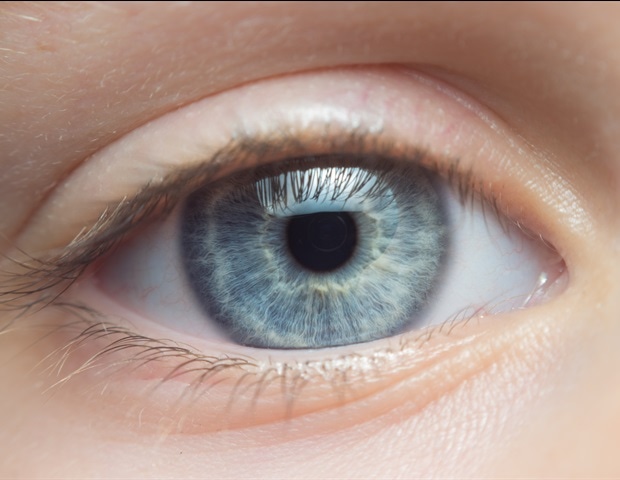
A research team from Peking Union Medical College Hospital and Tsinghua University has developed a compact optical AI chip that can identify meibomian gland dysfunction (MGD)-a major cause of dry eye disease-with more than 96% accuracy by analyzing the tissue's spectral signatures.
Articles similaires
Stanford’s new chip boosts light 100x with surprisingly low energy
wn.com - 05/May 23:53
Researchers at Stanford have developed a compact optical amplifier...

AI-powered brain test may spot Alzheimer’s risk decades early
knowridge.com - 07/May 10:40
Researchers have developed a new brain-scanning method that may help predict Alzheimer’s disease years before symptoms appear. The new system uses...
AI-powered brain test may spot Alzheimer’s risk decades early
knowridge.com - 07/May 10:40
Researchers have developed a new brain-scanning method that may help predict Alzheimer’s disease years before symptoms appear. The new system uses...
GAME CHANGER: AI Detects Silent Killer Cancer 3 Years Before Diagnosis
dailywire.com - 11/May 11:11
In a milestone for oncology, Mayo Clinic researchers have validated an artificial intelligence model capable of detecting pancreatic cancer on routine...

OBSCORE AI Tool May Detect Hidden Obesity Risks Beyond BMI
medindia.net - 11/May 14:53
A new AI-based tool called OBSCORE may predict obesity-related disease risk more accurately than BMI by analyzing health data and biomarkers.

Does Chronic Kidney Disease Worsen Female Sexual Dysfunction?
medindia.net - 12/May 11:40
A new Indian study has found that bfemale sexual dysfunction (FSD) becomes significantly more severe as chronic kidney disease (CKD) progresses,...

Most Ontario-approved medical AI scribes erred in tests: auditor general
cambridgetoday.ca - 12/May 20:01
Province weighted ‘accuracy’ at 4%; ‘presence in Ontario’ at 30% in procurement scoring, report finds

New genetic risk report reveals hidden heart disease risk before symptoms appear
news.medical.net - 01/May 01:57
Researchers developed and externally validated integrated polygenic risk scores for eight cardiovascular conditions using large U.S.-based biobank...

AI-powered handheld microscope may improve early cancer detection
news.medical.net - 13/May 02:10
Researchers at Rice University and The University of Texas MD Anderson Cancer Center have developed a compact, artificial intelligence-powered imaging...
Les derniers communiqués
-
Evergreen Elevate Heads to Australia to Empower MSPs with Valuable Strategies and Insights on Better M&A Practices
Evergreen Elevate - 29/07/2025