Grey wolves adapt their diets as a result of climate change, eating harder foods such as bones to extract nutrition during warmer climates, new...

Vous n'êtes pas connecté
- English
- Français
- عربي
- Español
- Deutsch
- Português
- русский язык
- Català
- Italiano
- Nederlands, Vlaams
- Norsk
- فارسی
- বাংলা
- اردو
- Azərbaycan dili
- Bahasa Indonesia
- Հայերեն
- Ελληνικά
- Bosanski jezik
- українська мова
- Íslenska
- Türkmen, Түркмен
- Türkçe
- Shqip
- Eesti keel
- magyar
- Қазақ тілі
- Kalaallisut ; kalaallit oqaasii
- Lietuvių kalba
- Latviešu valoda
- македонски јазик
- Монгол
- Bahasa Melayu ; بهاس ملايو
- ဗမာစာ
- Slovenščina
- тоҷикӣ ; toğikī ; تاجیکی
- ไทย
- O'zbek ; Ўзбек ; أۇزبېك
- Tiếng Việt
- ភាសាខ្មែរ
- རྫོང་ཁ
- Soomaaliga ; af Soomaali
Rubriques :
 Maroc - EURASIAREVIEW.COM - A la une - 05/Feb 23:29
Wolf Reduction Boosts Caribou Survival, But Only In Rugged Terrain

Reducing wolves to protect endangered caribou doesn't always deliver the expected results—and the shape of the land may be the deciding factor. That’s according to research led by doctoral student Tazarve Gharajehdaghipour and professor Dr. Cole Burton in UBC's faculty of forestry and environmental stewardship, which examined newborn caribou survival in Itcha Ilgachuz Park in west-central B.C. Using GPS collars to track animals, the team found that B.C. wolf removals boosted calf survival in steep, mountainous terrain, but made no difference in flatter terrain. "This study is a note of caution," said Dr. Burton. "Different herds face different conditions. Wolf control may not be reducing calf mortality as effectively as we once thought." How land and predators affect calf survival The key factor is which predators can catch calves at different ages. Bears and wolverines hunt newborn calves in the first two weeks, but can’t catch older, more mobile calves. Wolves, by contrast, can catch the older, faster calves. In rugged areas, this makes a big difference. Bears and wolverines can kill newborns at high elevations, but by the time mother-calf pairs move down to valleys at around three weeks old, the calves are too fast to catch. At this stage, wolves become the main threat. Before wolves were removed, most calf deaths occurred during this period. Removing wolves eliminated this later cause of death, boosting survival by 41 percentage points—because bears and wolverines cannot hunt the older calves effectively. In more accessible areas, wolves can reach calving sites throughout the season, including early when calves are young and vulnerable. When wolves were removed, other predators, such as bears and wolverines, simply killed more of these young calves, so overall survival did not improve. Tracking calves through mothers’ movements This is the first study to use GPS collars to follow newborn mountain caribou survival. The research builds on tracking methods developed by co-author Dr. Marie Auger-Méthé, a UBC associate professor in the Institute for the Oceans and Fisheries and department of statistics. They found clear patterns: mothers abruptly start moving less when giving birth to stay close to newborns, then gradually increase activity as calves get stronger, or quickly return to normal movement if a calf dies. "This method lets us watch the critical first four weeks of life, when calves are most at risk. We also used camera traps to see when predators were on the calving grounds," said Gharajehdaghipour. The caribou collar data, which this research paper is primarily based on, was collected by B.C. government biologists, and secured through open access. Conservation beyond predator control The research also found that calf deaths before wolf reduction—likely caused by wolves—were linked to horseback and ATV trails and treed valleys. This suggests wolves use these areas to reach calves. Limiting trail development could help reduce wolf-caused deaths in places where wolf control isn’t used. While B.C.'s wolf reduction program now covers 15 caribou herds, Dr. Burton emphasizes it’s critical to protect habitat. "If wolf control is sometimes ineffective and diverts attention from habitat restoration, it's a real concern," he said. "Without recovering habitat, you'd have to keep controlling wolves indefinitely." The researchers recommend that wildlife managers consider the landscape, predator communities, and habitat conditions before starting wolf control programs. They also encourage using GPS tracking and camera traps to better understand calf survival across B.C.
Articles similaires
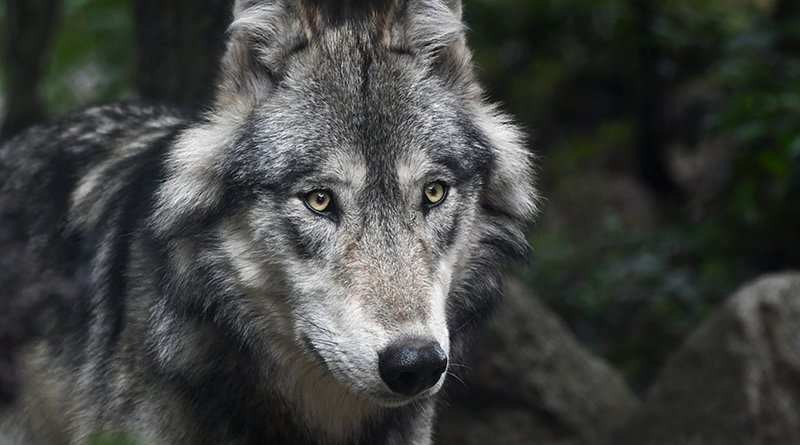
Fossil Evidence Reveals How Grey Wolves Adapt Diets To Climate Change
eurasiareview.com - 15/Feb 00:15
Grey wolves adapt their diets as a result of climate change, eating harder foods such as bones to extract nutrition during warmer climates, new...

Road Salt Creates More Harm To Freshwater Life Than Expected, Study Finds
eurasiareview.com - 15/Feb 00:07
Freshwater streams, ponds and lakes across the United States are becoming saltier, and new research from the University of Missouri shows the damage...
Is Colorado’s wolf population still experiencing normal levels of mortality?
wn.com - 09/Feb 20:57
Just over two years into Colorado’s wolf reintroduction effort, 12 of the 25 wolves brought from Oregon and British Columbia have died. Colorado...
APTN show places spotlight on Tłı̨chǫ caribou research
cabinradio.ca - 05/Feb 12:53
Tłı̨chǫ caribou researchers star in a new episode of APTN documentary series Animal Nation. Watch a trailer and hear from the producers.
APTN show places spotlight on Tłı̨chǫ caribou research
cabinradio.ca - 05/Feb 12:53
Tłı̨chǫ caribou researchers star in a new episode of APTN documentary series Animal Nation. Watch a trailer and hear from the producers.

Reminder: SA to catch a glimpse of partial solar eclipse this week
thesouthafrican.com - 16/Feb 09:26
The Moon will partially cover the Sun for nearly three hours in South Africa this week. Here's when and how to catch the solar eclipse...
First gray wolf enters Los Angeles County in 100 years
wn.com - 10/Feb 16:06
For the first time in a century, biologists have documented a gray wolf in Los Angeles County over the weekend, a sign that these predators that were...
The scent of barren ground grizzly
wn.com - 08/Feb 16:55
Unlike most of us, Jordan Pruszenski has held in her arms the following wild animals: wolves, caribou, beavers, muskrats, musk oxen, emperor geese and...
A wolf came to L.A. looking for love. On Valentine’s Day, she’s moved on
wn.com - 14/Feb 22:48
A wolf made history last Saturday when she wandered into the mountains of Los Angeles County, where her kind hadn’t been documented in more than a...
Les derniers communiqués
-
Meta begins construction of $10-billion data centre in Indiana
Meta - 12/02/2026
-
Google brings more Gemini AI features to Chrome browser
GOOGLE - 02/02/2026
-
GM Canada at the 2026 Montreal International Auto Show
General Motors - 15/01/2026
-
Bank of America Reports Fourth Quarter 2025 Financial Results
Bank of America - 15/01/2026
-
organ Stanley Capital Partners Makes Majority Investment in Olsson, Inc.
Morgan stanley - 13/01/2026
-
Cadillac Formula 1® Team Unveils Special Edition Livery for Barcelona Shakedown
General Motors - 13/01/2026
-
confidence with new 12-month/12,000 mile warranty
General Motors - 13/01/2026
-
Siemens named a leader in Green Quadrant: Quality Management Software 2025 report
SIEMENS - 12/01/2026
-
American rings in the new year with non-alcoholic IPA, new cocktails and refreshed menus in ight
AMERICAN AIRLINES - 12/01/2026
-
American Airlines partners with award-winning Pecan Lodge to serve Texas barbecue on select flights from DFW to New York airports
AMERICAN AIRLINES - 09/01/2026