
The mutual hostility between the United States and Israel on one side and Iran on the other since the 1978 Islamic Revolution and the establishment...

Vous n'êtes pas connecté
- English
- Français
- عربي
- Español
- Deutsch
- Português
- русский язык
- Català
- Italiano
- Nederlands, Vlaams
- Norsk
- فارسی
- বাংলা
- اردو
- Azərbaycan dili
- Bahasa Indonesia
- Հայերեն
- Ελληνικά
- Bosanski jezik
- українська мова
- Íslenska
- Türkmen, Түркмен
- Türkçe
- Shqip
- Eesti keel
- magyar
- Қазақ тілі
- Kalaallisut ; kalaallit oqaasii
- Lietuvių kalba
- Latviešu valoda
- македонски јазик
- Монгол
- Bahasa Melayu ; بهاس ملايو
- ဗမာစာ
- Slovenščina
- тоҷикӣ ; toğikī ; تاجیکی
- ไทย
- O'zbek ; Ўзбек ; أۇزبېك
- Tiếng Việt
- ភាសាខ្មែរ
- རྫོང་ཁ
- Soomaaliga ; af Soomaali
Rubriques :
 Maroc - EURASIAREVIEW.COM - A la une - 08/Feb 00:21
‘One Command, One Strategy’: Iran Reopens Debate On Army-IRGC Merger
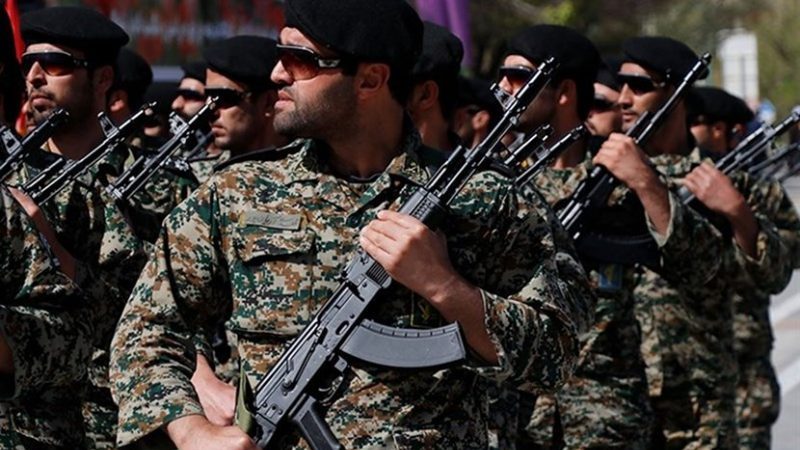
By Osama Ali (Albawaba) -- An Iranian newspaper has started a new conversation about how to reorganize the country's armed forces. They want the Islamic Revolutionary Guard Corps (IRGC) and Iran's regular army to be merged to deal with growing security, economic, and regional problems. According to a study released on Saturday, Jomhouri-ye Eslami said that growing threats from outside Iran and worsening economic conditions inside the country have shown that the country's security system has structural weaknesses. The paper made the point that institutional stability is no longer a long-term goal but a strategic necessity, especially in the military. The report asked if Iran's dual military system is still in line with its national security goals, pointing out that roles that overlap and broken command chains are becoming more expensive and ineffective. The newspaper used the memoirs of former president Akbar Hashemi Rafsanjani to talk about talks he had with the late Ayatollah Ruhollah Khomeini in 1989 about how hard it was to keep up two separate armed institutions. It is said that Khomeini wanted the two countries to eventually become one, but he thought the political situation at the time wasn't right. The story said that when the IRGC Ministry became part of the Ministry of Defense, Iran took a small step toward unification after the Iran-Iraq War. It also pointed out that Iran's police, gendarmerie, and revolutionary committees were successfully combined into a single internal security force. This was seen as proof that combining institutions can make management work better. Even with these examples, the report stated that combining the army and the IRGC is still a very touchy subject. In the end, Supreme Leader Ali Khamenei stopped the plan to unite the two troops and decided to keep them separate but working together. The newspaper, on the other hand, said that the military's subsequent expansion into the economic, political, and media sectors has made roles less clear and raised international scrutiny, which has led to sanctions and strains within the country. In the end of its analysis, Jomhouri-ye Eslami said that going back to the merger idea could help make government more efficient, boost national security, and ease the financial load on Iranian society during a time of high uncertainty.
Articles similaires
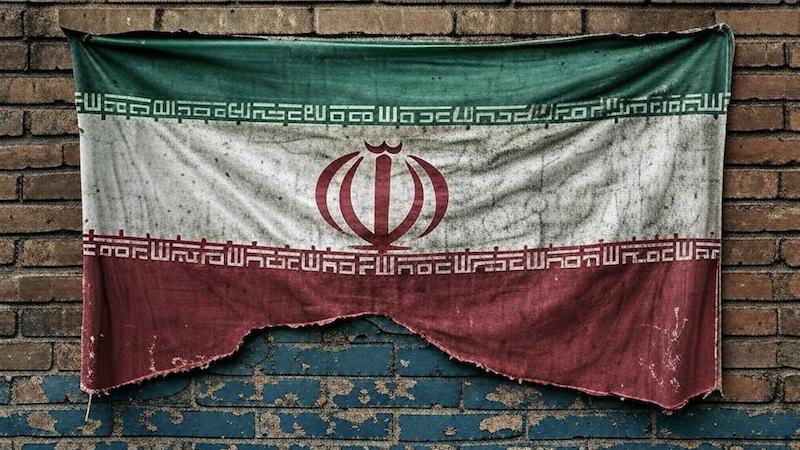
Iran’s 2025-26 Protests, Resilience And Political Containment – Analysis
eurasiareview.com - 20/Feb 01:50
By Luciano Zaccara The historical background of protests in Iran Popular protest has been a recurring feature of Iranian political life well...
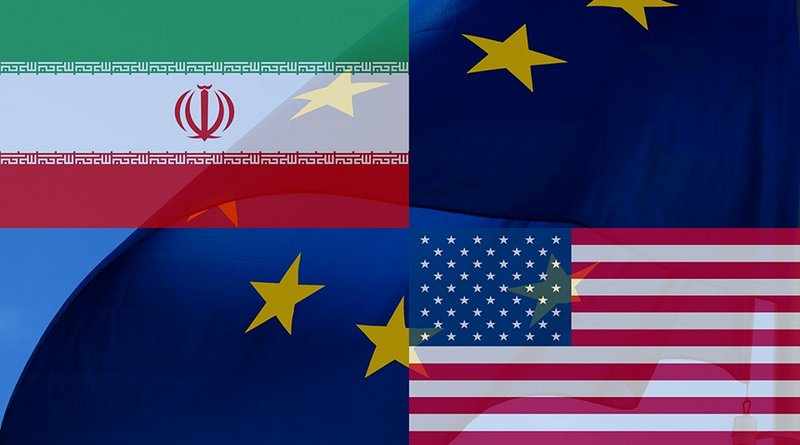
Diplomacy Over Coercion: The European Union’s Role In Managing Iran’s Nuclear Program – OpEd
eurasiareview.com - 10/Feb 16:54
Iran’s interest in nuclear technology dates back approximately six decades to the period of the Shah’s era, when the United States and Iran...

Tehran Officials Admit To ‘Coup De Grâce’ Executions As Regime Trembles Before Public Defiance – OpEd
eurasiareview.com - 20/Feb 01:16
In a shocking admission that confirms long-standing accusations by the Iranian Resistance, a senior official of Iran’s regime has publicly...
Syrian army hands over its positions to security forces in Hasakah's outskirts under agreement with SDF
wn.com - 11/Feb 08:02
Syria’s Army Operations Command said Tuesday that the army has begun withdrawing from the outskirts of Hasakah in northeastern Syria, with...
Iran, Russia Conduct Vessel Rescue Exercise in Gulf of Oman
sputniknews.com - 20/Feb 09:19
TEHRAN (Sputnik) - The Russian and Iranian navies successfully practiced rescuing a vessel hijacked by pirates in the Gulf of Oman during exercises on...

Report: Khamenei forms succession plan as Iran braces for war amid tensions with U.S.
haaretz.com - 22/Feb 13:43
As part of the lessons learned during last year's war with Israel, during which most of the Iranian military's senior command was wiped out, Iran's...
Report: Khamenei forms succession plan as Iran braces for war amid tensions with U.S.
haaretz.com - 22/Feb 13:43
As part of the lessons learned during last year's war with Israel, during which most of the Iranian military's senior command was wiped out, Iran's...
IAEA to Inspect Several Iranian Nuclear Facilities in Next Few Days - Iran Vice President
sputniknews.com - 09/Feb 12:41
TEHRAN (Sputnik) - The International Atomic Energy Agency (IAEA) will inspect a number of Iranian nuclear facilities in the coming days, Iranian Vice...

Here Goes Washington To War Again…Because It’s Still Empire First – OpEd
eurasiareview.com - 21/Feb 01:04
Here they go again—the war drums on the Potomac are beating so loudly for war against Iran that the CIA stenographers at the NYT have now...
Les derniers communiqués
-
Boeing and Sun PhuQuoc Airways Announce Order for Up to 40 787 Dreamliner Jets
Boeing - 18/02/2026
-
Vietnam Airlines Finalizes Order for 50 Boeing 737 MAX Airplanes
Boeing - 18/02/2026
-
Air Astana Finalizes Order For Up to 15 Boeing 787 Dreamliner Jets
Boeing - 17/02/2026
-
McDonald’s Canada Reimagines Breakfast with the New Breakfast Poutine in Atlantic Canada
MC DONALD'S - 17/02/2026
-
Statement on Starliner Crewed Flight Test Investigation Report
Boeing - 17/02/2026
-
Meta begins construction of $10-billion data centre in Indiana
Meta - 12/02/2026
-
Last 787-8 test airplane bows out after years of breakthroughs
Boeing - 10/02/2026
-
Boeing Flight Deck Modernization Keeps C-17A Mission Ready
Boeing - 09/02/2026
-
ANA receives Boeing’s 100th 787 Landing Gear Exchange Delivery
Boeing - 04/02/2026
-
Boeing announces largest-ever Landing Gear Exchange agreement at Singapore Airshow
Boeing - 04/02/2026