THE recent increases in traffic fines and hike in fees for certain government services have received mostly negative views from citizens. While...

Vous n'êtes pas connecté
- English
- Français
- عربي
- Español
- Deutsch
- Português
- русский язык
- Català
- Italiano
- Nederlands, Vlaams
- Norsk
- فارسی
- বাংলা
- اردو
- Azərbaycan dili
- Bahasa Indonesia
- Հայերեն
- Ελληνικά
- Bosanski jezik
- українська мова
- Íslenska
- Türkmen, Түркмен
- Türkçe
- Shqip
- Eesti keel
- magyar
- Қазақ тілі
- Kalaallisut ; kalaallit oqaasii
- Lietuvių kalba
- Latviešu valoda
- македонски јазик
- Монгол
- Bahasa Melayu ; بهاس ملايو
- ဗမာစာ
- Slovenščina
- тоҷикӣ ; toğikī ; تاجیکی
- ไทย
- O'zbek ; Ўзбек ; أۇزبېك
- Tiếng Việt
- ភាសាខ្មែរ
- རྫོང་ཁ
- Soomaaliga ; af Soomaali
Rubriques :
 Maroc - NEWSDAY.CO.TT - A la Une - 15/12/2025 06:14
Grandchildren are stepping up

THE OLD man – 95 years old – came to life as his grandson appeared in the hospital room. We were watching the scene through the door as the young man approached his grandfather’s bedside. The young man bent down and buried his head into his grandfather’s shoulder. They hugged tightly for a couple minutes. Then they chatted, holding hands, looking like lovers who had been separated and was now finally reunited. “This is new. You wouldn’t have seen this a few years ago,” the patient care co-ordinator – who had decades of experience working on hospital wards – said. We were in the acute medicine ward for the elderly, and it was the end of another week. I myself had never seen so many grandchildren involved in their grandparents’ care. “What do you think brought about the change?” “Many things: the pandemic, the cost of living, and their parents are dealing with a lot,” she said. Some years ago, prior to the covid19 pandemic, grandchildren were nothing more than ordinary visitors in the hospitals. They came along with their parents, bringing Hallmark cards and flowers for grandpa and grandma, took a selfie, and then would disappear. But times have changed; the pandemic happened. Perhaps some good has come out of it. People are now, for example, less likely to default to nursing homes and institutions to care for their older relatives. They saw the destruction, the deaths, the isolation that covid19 caused in these places. (Canada had one of the worst rates of covid19-related deaths among institutionalised older people in the developed world.) The old people who survived are yet to recover from it, and may never be able to. But at least, now, some of them are seen. Some years ago, it was perhaps not uncommon to hear a grandchild say, “He needs to go in a home,” referring to their miserable and stubborn grandpa. I remember when I first moved to Canada in 2019 how often I heard this from people my age. Coming from Trinidad, where multigenerational households were common, the idea was a bit strange to me. And now, six years later, grandchildren here are roaming around busily in the acute medicine ward for the elderly, asking questions, bringing clothes, arranging transport, and making serious decisions. These days grandchildren are not merely visitors – many of them are caregivers, deeply involved in their grandparents’ care. They know about their grandparents’ medical issues; they sort their grandparents’ medications; they give insulin; they take their grandparents to their appointments; they participate in important discussions regarding their grandparents’ health. Chemotherapy for the new cancer diagnosis? Does grandpa have dementia? If grandma’s heart stops, are we resuscitating? They help their grandparents – and parents – with online forms and online banking. Some of them – facing higher costs of living post-pandemic – have moved in with their grandparents. It’s a win-win arrangement: the grandchild needs shelter; grandma and grandpa need company, and not, as we sometimes wrongly assume about old people, necessarily the company of other old people. When a grandchild is involved in their grandparents’ care, it brings some ease. Grandchildren do not carry the emotional baggage their parents carry: they may see the situation more clearly: they may cope better than their parents. Their parents – now in their 50s, 60s, 70s – have their own worries to deal with. Their health is starting to take a toll: more tests, more doctors’ appointments, more medications, a shocking cancer diagnosis in its early stage. Their families are expanding. Weddings. They have a fear of missing out. Retirement. Their own grandchildren are now running around and they want to keep up, but can’t. One of their siblings just had a heart attack. A lifelong friend just died. Funerals. Mother is in the hospital – again. Father is home alone – with dementia. The sandwich generation squeezed from all sides. At times, in the hospital wards and clinics, their parents can appear to be sinking. The parent-child relationship is complicated, and it gets more complicated when illness hits. The mountain of emotions – love, happiness, anger, guilt, resentment, sadness, love again – gathered over more than five decades comes crashing down like an avalanche, burying everybody in its path. Grandchildren are the only ones who escape – they can save the day, and they are stepping up to the challenge. Taureef Mohammed is a physician from TT working in Canada E-mail: taureef_im@hotmail.com The post Grandchildren are stepping up appeared first on Trinidad and Tobago Newsday.
Articles similaires

Psychologist: Society can benefit from sustained, equitable law enforcement
newsday.co.tt - 11/Jan 03:32
THE recent increases in traffic fines and hike in fees for certain government services have received mostly negative views from citizens. While...

Reflections of a life in journalism
newsday.co.tt - 19/Jan 04:00
DEBBIE JACOB ASK ANY journalist and they will tell you that journalism is a life, not a job. I am one of the lucky ones who lived this exciting...
Reflections of a life in journalism
newsday.co.tt - 19/Jan 04:00
DEBBIE JACOB ASK ANY journalist and they will tell you that journalism is a life, not a job. I am one of the lucky ones who lived this exciting...
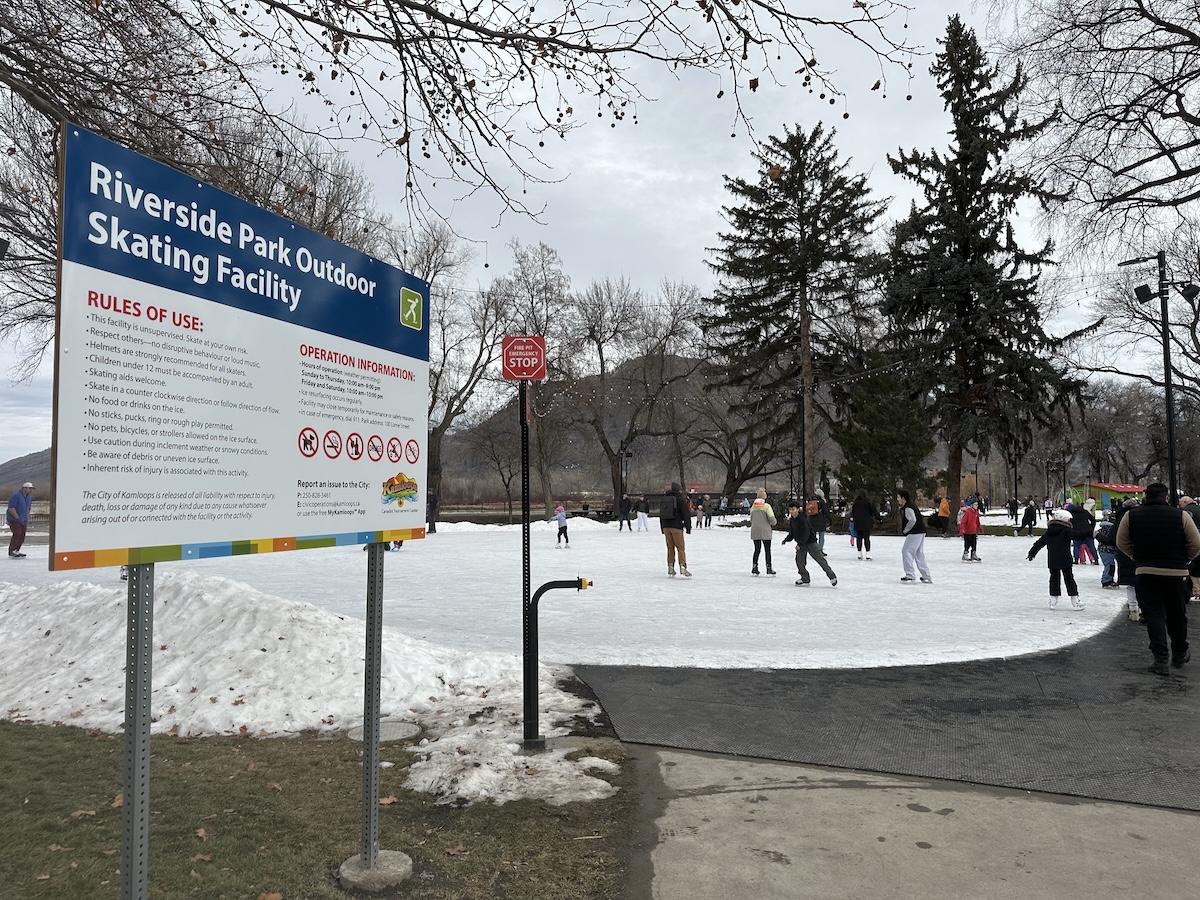
EDITORIAL – The new skating pond: there’s more to life than the basics
armchairmayor.ca - 10/Jan 23:52
(Video: Mel Rothenburger) An editorial by Mel Rothenburger. THE NEW SKATING ‘facility’ — it’s not exactly a rink; it’s more...
EDITORIAL – The new skating pond: there’s more to life than the basics
armchairmayor.ca - 10/Jan 23:52
(Video: Mel Rothenburger) An editorial by Mel Rothenburger. THE NEW SKATING ‘facility’ — it’s not exactly a rink; it’s more...

Amir "Drumzey" Ramjattan – the master of many drums
newsday.co.tt - 16/Jan 04:56
BAVINA SOOKDEO Many in the music community know him as just "Drumzey" – a name that perfectly describes 25-year-old Amir Ramjattan. He has...
After years of straightening, natural curls are having a moment
smh.com.au - 13/Jan 02:30
Most people have some wave or curl in their hair which you can work with if you want it to look curly. The trick? Less not more.
After years of straightening, natural curls are having a moment
smh.com.au - 13/Jan 02:30
Most people have some wave or curl in their hair which you can work with if you want it to look curly. The trick? Less not more.
After years of straightening, natural curls are having a moment
smh.com.au - 13/Jan 02:30
Most people have some wave or curl in their hair which you can work with if you want it to look curly. The trick? Less not more.
Les derniers communiqués
-
Aucun élément